
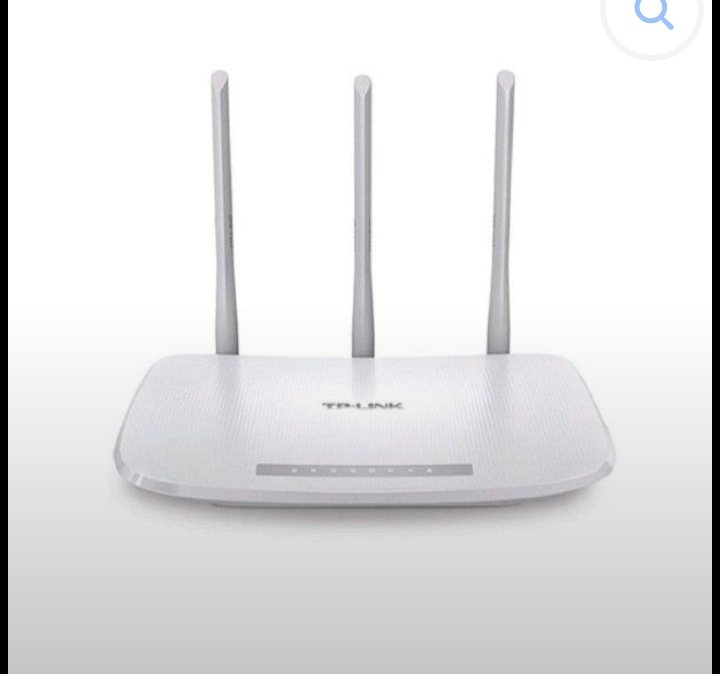
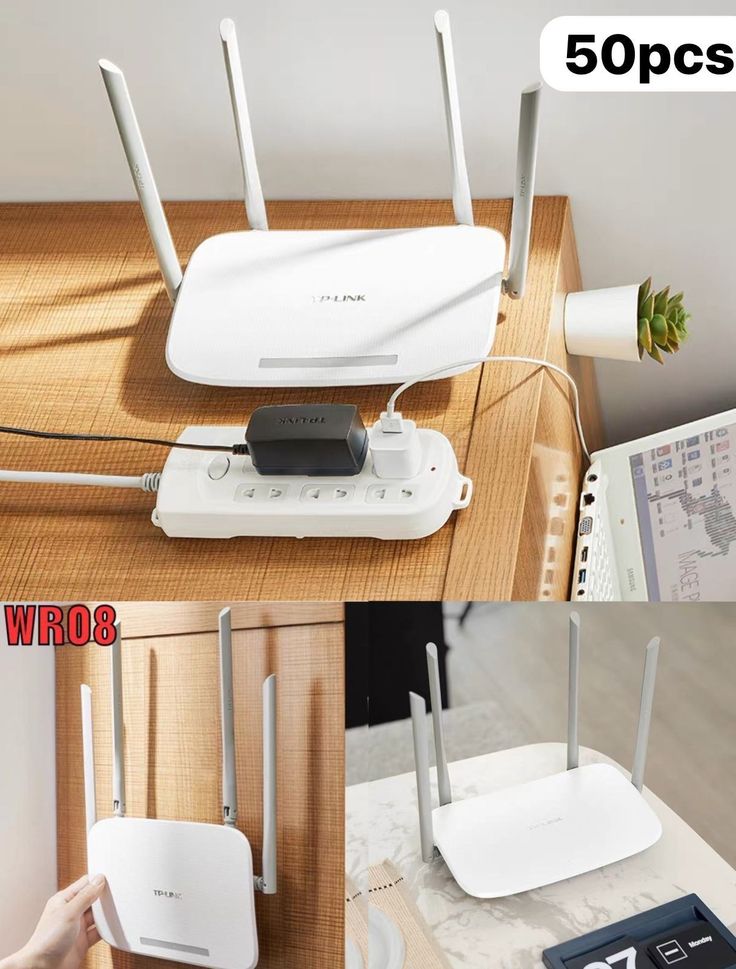
Tplink AC1200 wireless Router
Original price was: ₦100,000.00.₦75,000.00Current price is: ₦75,000.00.
WPA/WPA2 (and sometimes WPA3 on certain models) wireless encryption.
Description
“AC1200” is a Wi-Fi classification indicating combined theoretical maximum wireless speeds of around 1,200 Mbps across two frequency bands. It uses the 802.11ac (Wi-Fi 5) standard, which is faster and more efficient than older Wi-Fi “N” routers. The number isn’t a single-device speed — it adds the possible speeds of the two bands together (2.4 GHz + 5 GHz).
2.4 GHz band: ~300 Mbps — better range and penetration through walls.
5 GHz band: ~867 Mbps — higher speed at shorter range
So “AC1200” doesn’t mean any single device will reach 1200 Mbps — it means the router can deliver that combined total under ideal conditions.
📡 General Features of TP-Link AC1200 Routers
Most TP-Link AC1200 models (like Archer C50, C5, C6, or C1200) share these common features:
🔹 Dual-Band Wi-Fi
Broadcasts on both 2.4 GHz and 5 GHz simultaneously to reduce interference and handle more devices.
📈 Wireless Performance
Up to 300 Mbps on 2.4 GHz for general web use.
Up to 867 Mbps on 5 GHz for streaming, gaming, and larger transfers.
📶 Coverage and Stability
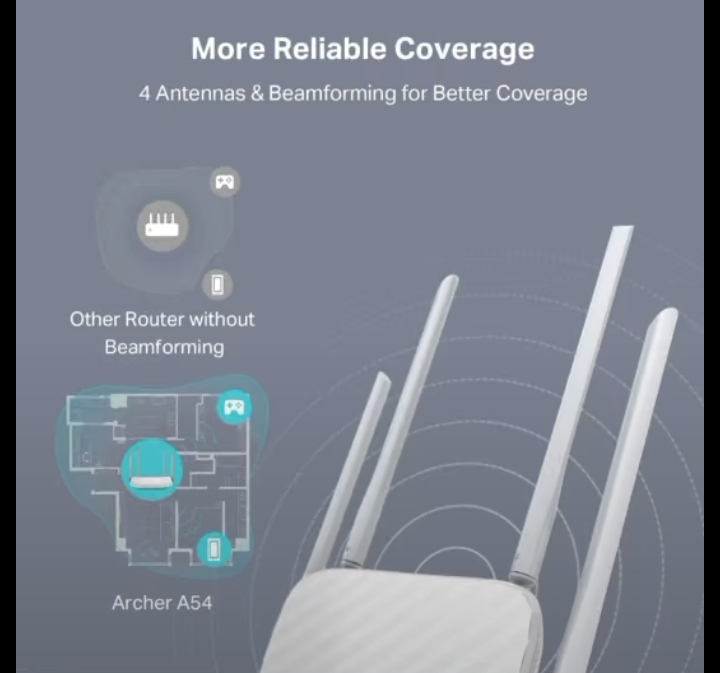
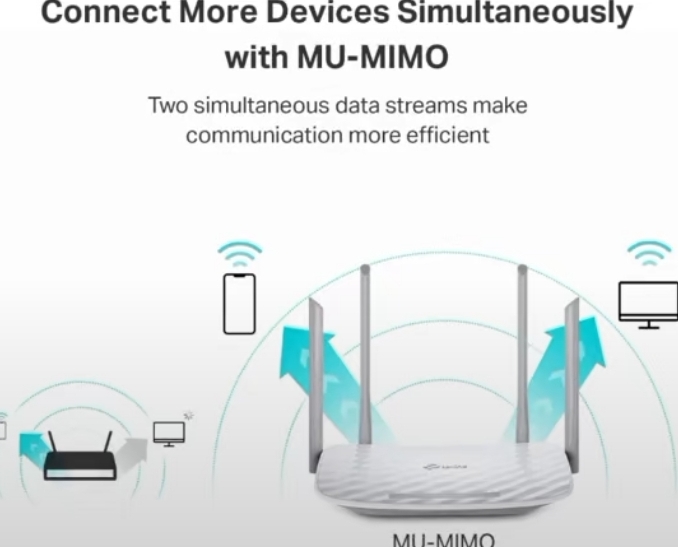
Multiple external antennas and sometimes beamforming help broaden coverage and concentrate signal strength toward connected devices.
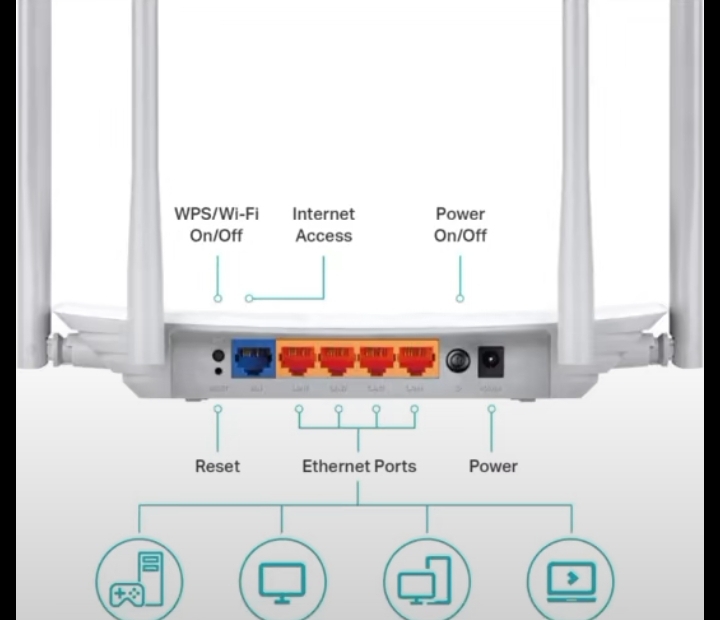
🔌 Ports & Connectivity
Gigabit Ethernet LAN/WAN on many models (like Archer C1200/C6) for fast wired connections to PCs, TVs, consoles, etc.
Some have USB ports for sharing printers, files, or media on the network.
🛠 Management & Modes
Easy setup and control via TP-Link Tether app or a web interface.
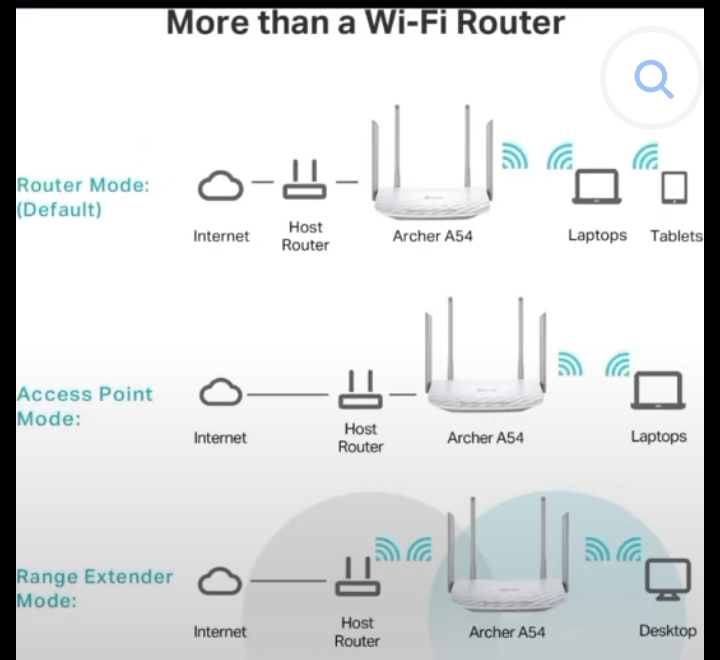
Support for access point mode, turning a wired network into Wi-Fi.
🔐 Security & Features
WPA/WPA2 (and sometimes WPA3 on certain models) wireless encryption.
Guest Wi-Fi, parental controls, IPv6 support.
📊 Typical Use Cases
TP-Link AC1200 routers are best for:
Medium-sized homes and apartments.
HD streaming, online gaming, and video conferencing.
Multiple devices like phones, tablets, laptops, TVs, and smart gadgets.
They aren’t ideal if you need cutting-edge speeds for very large homes or gigabit Internet plans — newer Wi-Fi 6 (AX) or Wi-Fi 7 routers would be significantly faster.
Related products
-
-
Lenovo computer Headset
Original price was: ₦58,000.00.₦30,000.00Current price is: ₦30,000.00. -
Air Circulation Fan
Original price was: ₦80,000.00.₦45,000.00Current price is: ₦45,000.00. -
Computer USB Gaming Mouse
Original price was: ₦15,000.00.₦11,000.00Current price is: ₦11,000.00.





Reviews
There are no reviews yet.